Alaska, the largest state in the United States, has a rich and fascinating history. From the early exploration and Russian settlement to its acquisition by the United States, the state has experienced significant changes over the centuries. This article delves into the journey of Alaskan settlers, their struggles, achievements, and the vibrant culture that thrives in this remote and awe-inspiring land.
Alaska’s history is deeply intertwined with the diverse groups of settlers who have called this land their home. The story begins with the early exploration and eventual settlement by the Russian Empire.
Early Exploration and Russian Settlement
In the 18th century, Russian explorers, led by Vitus Bering, embarked on voyages to Alaska, establishing the first European contact with the indigenous peoples of the region. Russian settlers, seeking fur trade opportunities, gradually established a presence in Alaska, establishing trading posts and Orthodox missions.
Alaska’s Acquisition by the United States
In 1867, the United States purchased Alaska from Russia in what became known as the Alaska Purchase. This acquisition sparked debates and criticism, with some referring to it as “Seward’s Folly.” However, the vast land’s potential for resources, particularly gold, soon became evident.

Gold Rush and Population Growth
The late 19th century saw the Klondike Gold Rush, drawing thousands of prospectors to Alaska in search of fortune. The population rapidly increased, bringing people from different backgrounds and contributing to the growth of towns and cities.
Indigenous Peoples of Alaska
Throughout Alaska’s history, indigenous peoples have played a significant role. With distinct cultures, languages, and traditions, Alaska is home to numerous indigenous groups, including the Iñupiat, Yupik, Aleut, Athabaskan, and Tlingit peoples. Their resilience and connection to the land continue to shape Alaska’s identity.
Impact of World War II
During World War II, Alaska became a vital strategic location for the United States. The construction of military bases and infrastructure had a profound impact on the state’s development, attracting settlers and creating employment opportunities.
Statehood and Modern Development
In 1959, Alaska became the 49th state of the United States. Statehood brought new opportunities for development and infrastructure projects, leading to economic growth. The discovery of oil in Prudhoe Bay in the 1960s further transformed Alaska’s economy.
Natural Resources and Economy
Alaska is renowned for its abundant natural resources, including oil, gas, minerals, and fisheries. The state’s economy heavily relies on these resources, and responsible resource management is crucial to maintain a sustainable balance between economic development and environmental preservation.
Unique Wildlife and Natural Beauty
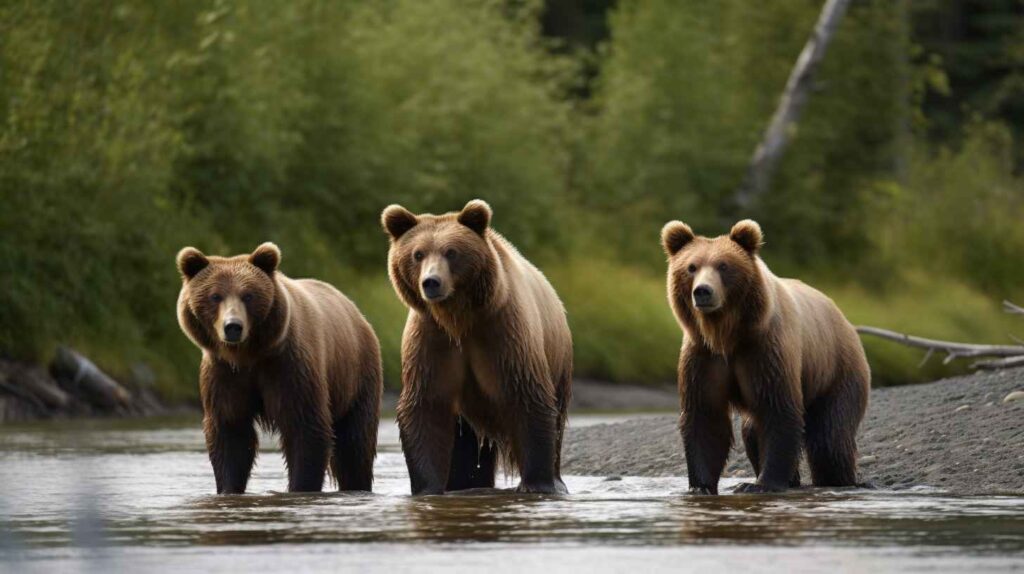
One of the most captivating aspects of Alaska is its breathtaking wilderness and diverse wildlife. From towering mountains and glaciers to vast forests and coastal ecosystems, Alaska is home to iconic species such as bears, moose, whales, and eagles. Preserving these natural treasures is essential for future generations.
Challenges and Opportunities in Alaska
Alaska faces unique challenges due to its remote location, harsh climate, and geographical barriers. Access to healthcare, education, and transportation can be limited in certain regions. However, these challenges also present opportunities for innovation and resilience in finding solutions that cater to the unique needs of Alaskan communities.
Tourism in Alaska
Alaska’s natural beauty attracts tourists from around the world. Visitors come to experience the awe-inspiring landscapes, engage in outdoor activities, and witness the state’s cultural heritage. The tourism industry contributes significantly to Alaska’s economy, while sustainable practices ensure the preservation of its natural wonders.
Cultural Diversity and Traditions
The cultural fabric of Alaska is rich and diverse. The state embraces a mosaic of traditions, including those of indigenous peoples, Russian heritage, and influences from various immigrant communities. Festivals, art, music, and storytelling serve as windows into Alaska’s vibrant cultural tapestry.
Education and Healthcare in Alaska
Providing quality education and healthcare services in Alaska’s remote areas is a priority. Distance learning, telemedicine, and community-driven initiatives are essential for ensuring equal opportunities and access to these vital services for all Alaskans, regardless of location.
Alaskan Settlers Today
Alaska continues to attract individuals and families seeking adventure, natural beauty, and a unique way of life. The modern-day settlers of Alaska include professionals, entrepreneurs, artists, and individuals looking for a close connection with nature and a sense of community.
Conclusion
The history of Alaskan settlers is a testament to the resilience, adaptability, and diversity of those who have chosen to call this majestic land their home. From the early Russian settlers to the present-day residents, Alaska’s story is one of exploration, opportunity, and the ongoing pursuit of balance between human progress and the preservation of its awe-inspiring natural environment.
FAQs
- What was the Alaska Purchase?
- The Alaska Purchase refers to the acquisition of Alaska from Russia by the United States in 1867.
- How did the gold rush impact Alaska?
- The gold rush brought a massive influx of settlers to Alaska, stimulating population growth and contributing to the development of towns and cities.
- Which indigenous groups live in Alaska?
- Alaska is home to various indigenous groups, including the Iñupiat, Yupik, Aleut, Athabaskan, and Tlingit peoples.
- What is the significance of oil in Alaska?
- The discovery of oil in Prudhoe Bay transformed Alaska’s economy, leading to increased employment opportunities and revenue.
- How does tourism contribute to Alaska’s economy?
- Tourism is a vital industry in Alaska, attracting visitors who come to experience the state’s natural beauty and cultural heritage, thus contributing to the economy.